
Identifying Gog and Magog
Gog and Magog from Ezekiel 38-39 have sparked considerable interest over the years. These terms refer to a leader and a land poised for a significant confrontation at the end of the age. The identities of Gog and Magog have been debated among believers and scholars.
Historically, Gog is seen as a figure reigning from the north of Israel, sometimes thought to be a title like a king or ruler. Some interpretations consider Gog as a leader from the region around modern-day Russia, aligning with the mention of "Rosh, Meshech, and Tubal" in the biblical text.
Magog is seen as the homeland of this leader, historically linked to the Scythians, thought to be ancient tribes dwelling north of the Black Sea. With this understanding, many have drawn connections to Russia, noting its geographical alignment "from the far north" relative to Israel.
Meshech and Tubal are often connected to modern Turkey, suggesting a northward alliance forming against Israel. Persia, relating directly to present-day Iran, is also mentioned alongside Cush and Put, interpreted primarily as regions in northern Africa.
Current events often influence interpretations of these prophetic components. However, many advise caution against strict correlations, urging a balanced view that respects the symbolic and future-oriented nature of these texts.

The Coalition Against Israel
The coalition rising against Israel as outlined in Ezekiel 38-39 encompasses an array of diverse regions, each with its historical and modern significance. This alliance includes:
- Persia (modern-day Iran): A prominent member with a long-standing presence in Middle Eastern affairs.
- Cush and Put: Regions corresponding to parts of North and potentially East Africa, often tied to modern Sudan, Libya, and possibly Algeria.
- Meshech and Tubal: Likely located in modern-day Turkey, adding another layer of regional complexity.
The potential motivations for this coalition could range from territorial ambitions to securing geopolitical dominance in a region of historical and spiritual significance. Some interpretations suggest a quest for vital economic and strategic resources, possibly envisioned in Israel's growing technological prowess and prosperous lands.
This alignment might also represent an ideological struggle, echoing long-standing historical tensions. The interplay of religious, cultural, and political factors could rally these nations into a unified front against Israel.
Timing of the Invasion
The timing of the anticipated Gog and Magog invasion as detailed in Ezekiel 38-39 has sparked various interpretations. The prophetic text offers limited details on precise timing, leading to several perspectives within the prophetic community:
- Before the Rapture: Some believe the invasion occurs shortly before or acts as a precursor to the Rapture.
- During the Tribulation: Another view places the battle within the seven-year Tribulation period, possibly aligning with the unfolding of divine judgment upon nations.
- Near the end of the Tribulation: This position suggests the offensive will occur close to the end of the Tribulation, shortly before the Second Coming of Christ.
Regardless of timing, there is a consensus that this battle represents not merely a physical clash of nations but a significant spiritual event in God's plan. The world's current unpredictability renders these ancient prophecies particularly relevant, encouraging believers to remain watchful and prayerful amidst evolving global events.
Divine Intervention and Outcome
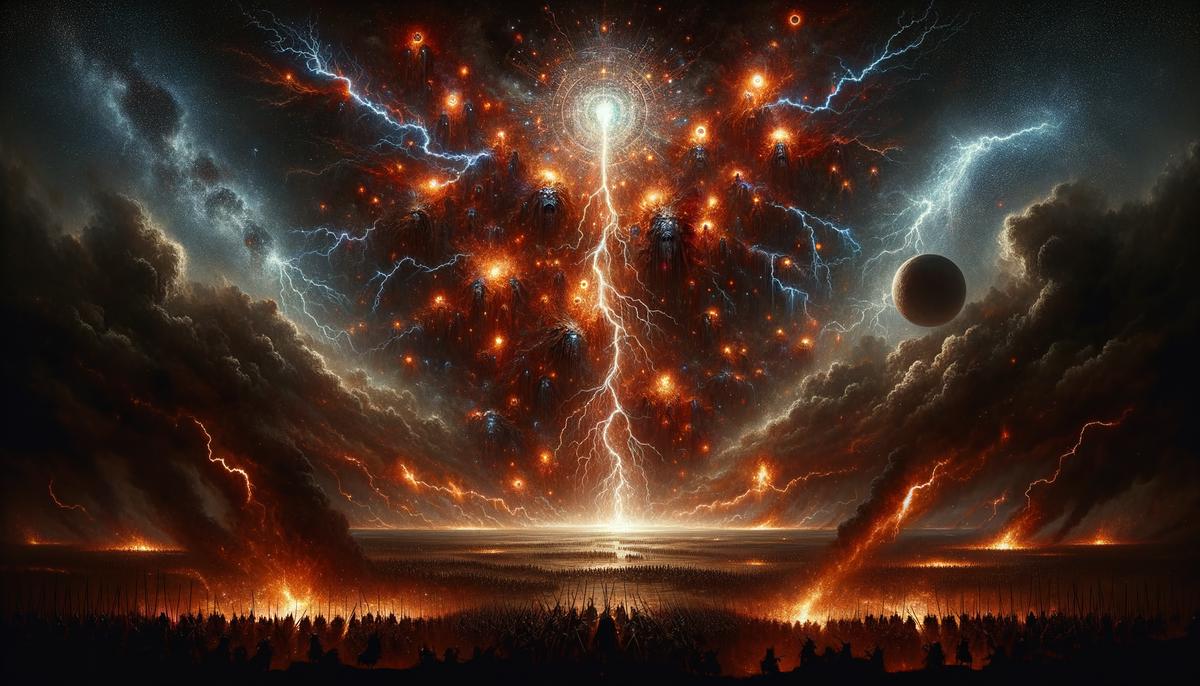
Ezekiel 38-39 describes a dramatic divine intervention as the coalition advances upon Israel. God's response involves a series of extraordinary acts that decisively halt the invasion, including earthquakes, torrential rain, hailstones, and brimstone from the heavens.
This intervention serves two purposes:
- It defends Israel from annihilation.
- It reveals God's sovereignty to the nations.
The outcome of this confrontation is twofold:
- The utter defeat of Israel's enemies.
- A turning point for the world, offering a glimpse of divine justice and mercy.
For believers, these passages provide assurance of God's protection and the fulfillment of His promises. The story of Gog and Magog becomes a testament to the enduring power of the divine, encouraging faith and hope in God's providential care.
Implications for Modern Israel
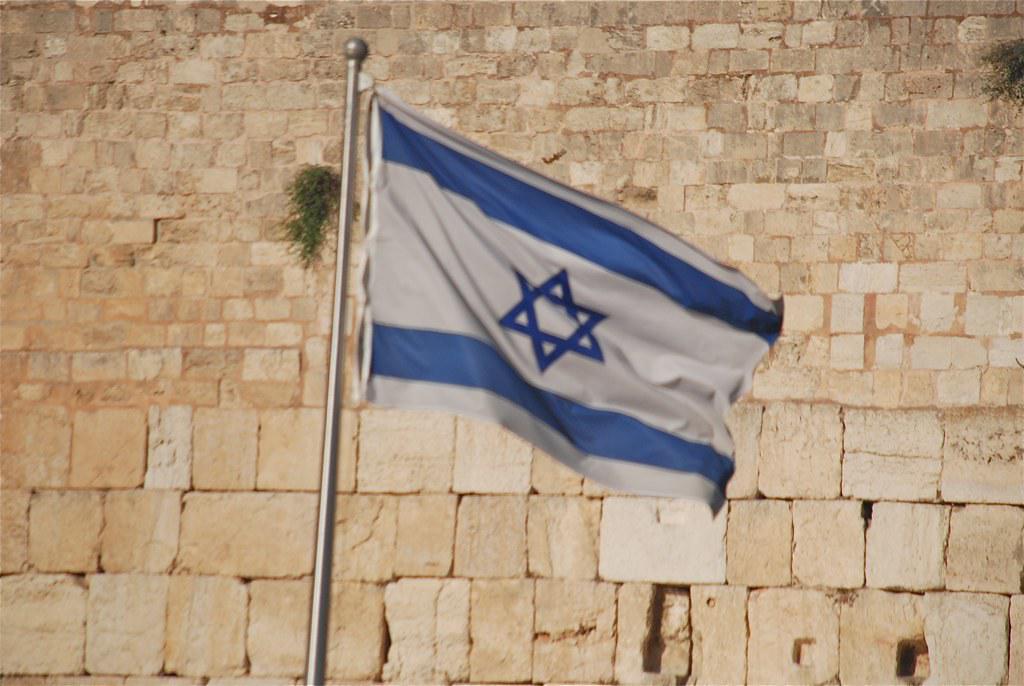
The Gog and Magog prophecy has significant implications for modern Israel, influencing both its strategic considerations and global perceptions. In today's geopolitical landscape, Israel maintains complex relationships with neighboring countries, some of which echo the historical animosities described in the prophecy.
Israel's strategic partnerships, particularly with nations like the United States, play a crucial role in ensuring stability and security. These alliances are viewed not just as diplomatic necessities but as potential fulfillments of biblical prophecy.
For the global community of believers, the Gog and Magog prophecy reinforces the idea that divine orchestration is at work in history. It encourages viewing events in the Middle East through the lens of biblical forecasts, influencing contemporary eschatological thought.
The prophecy thus shapes perceptions and influences decisions within both political and theological spheres. It prompts deeper engagement with scripture and reflection on the role of divine providence in human affairs, while encouraging believers to remain optimistic and steadfast in their faith.
In contemplating the Gog and Magog prophecy, we find profound connections between ancient scriptures and current events. This exploration of divine intervention and historical continuity reminds us of the enduring power and promises that guide our understanding of both past and future.
- Alexander T. Ezekiel. In: The Expositor's Bible Commentary. Grand Rapids, MI: Zondervan; 1986.
- Ice T. Ezekiel 38 & 39. Pre-Trib Research Center. 2009.
- Feinberg CL. The Prophecy of Ezekiel: The Glory of the Lord. Chicago, IL: Moody Press; 1969.
- Block DI. The Book of Ezekiel, Chapters 25–48. Grand Rapids, MI: Eerdmans; 1998.
- Wiersbe WW. The Bible Exposition Commentary: Old Testament Prophets. Colorado Springs, CO: David C. Cook; 2002.