

Historical Context of Isaiah 9:6-7
Isaiah delivered his message around 734 B.C., during the reign of King Ahaz in Judah. The kingdom faced threats from Assyria to the northeast, while Israel and Syria urged Judah to join their alliance against Assyria. Ahaz chose to align with Assyria instead, against Isaiah's advice, leading to increased Assyrian influence over Judah.
Spiritually, the people of Judah were drifting from their faith, embracing foreign cultures and worshipping other deities. In this atmosphere of political uncertainty and spiritual decline, Isaiah spoke words of hope, promising a child who would establish a unique government and bring peace.
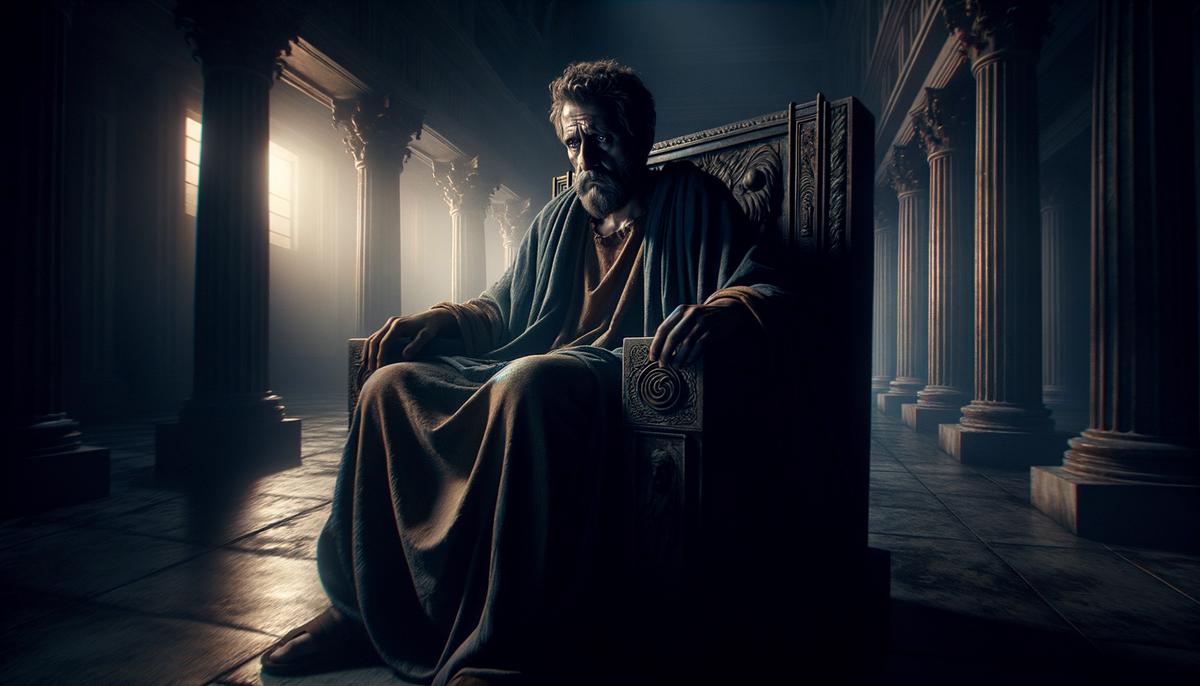
The Prophetic Titles: Wonderful Counselor & Prince of Peace
Isaiah 9:6-7 introduces titles that paint a picture of hope for a leader who can guide with wisdom and bring peace to a turbulent world. These titles are not mere accolades but foundational truths linking divine majesty with human experience.
- Wonderful Counselor: Speaks of supernatural insight and divine ability to offer transformative guidance. It suggests a leader who can perceive human needs with unfailing clarity and lead people to spiritual understanding.
- Prince of Peace: Introduces a ruler focused on dominion through peace rather than conquest through might. This peace is deeper than the absence of war—it encompasses complete welfare, restoration, and wholeness.
These titles inspire hope for a divine plan where wisdom and peace triumph, resonating with those longing for transformation in their lives and society.
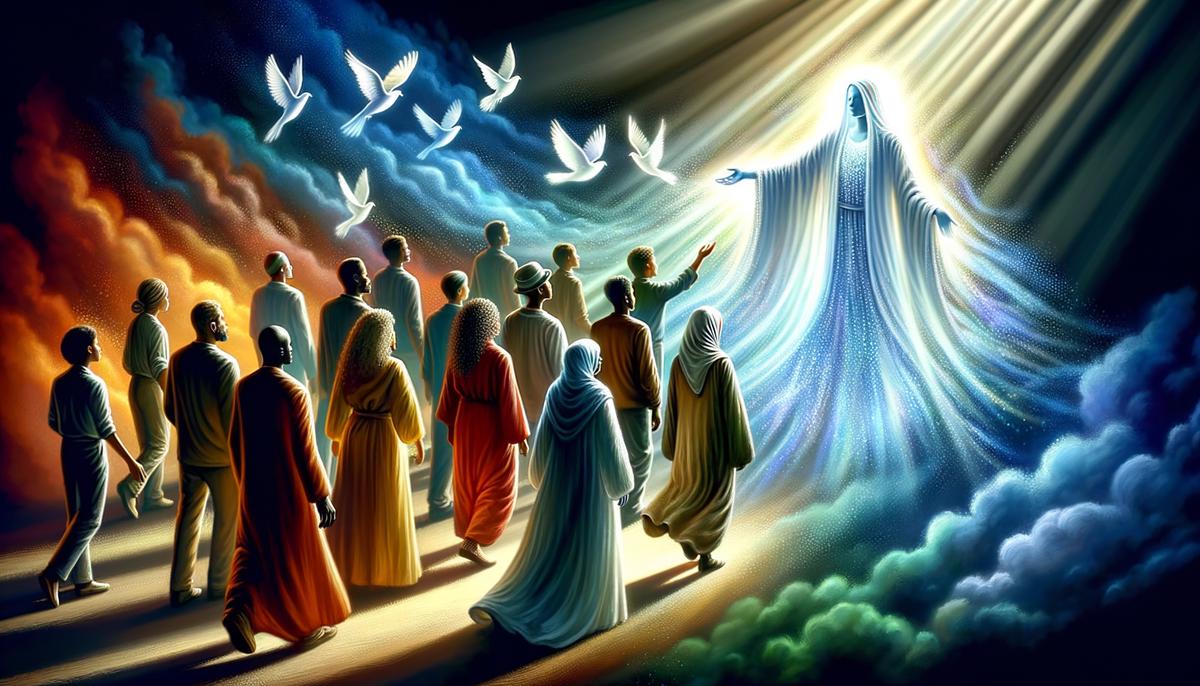
Messianic Expectations and Fulfillment
The Jewish people anticipated a Messiah who would embody the divine promise made to David—a ruler whose reign would be eternal and marked by justice, wisdom, and peace. These messianic qualities were tangible dreams for a righteous kingdom built on God's laws.
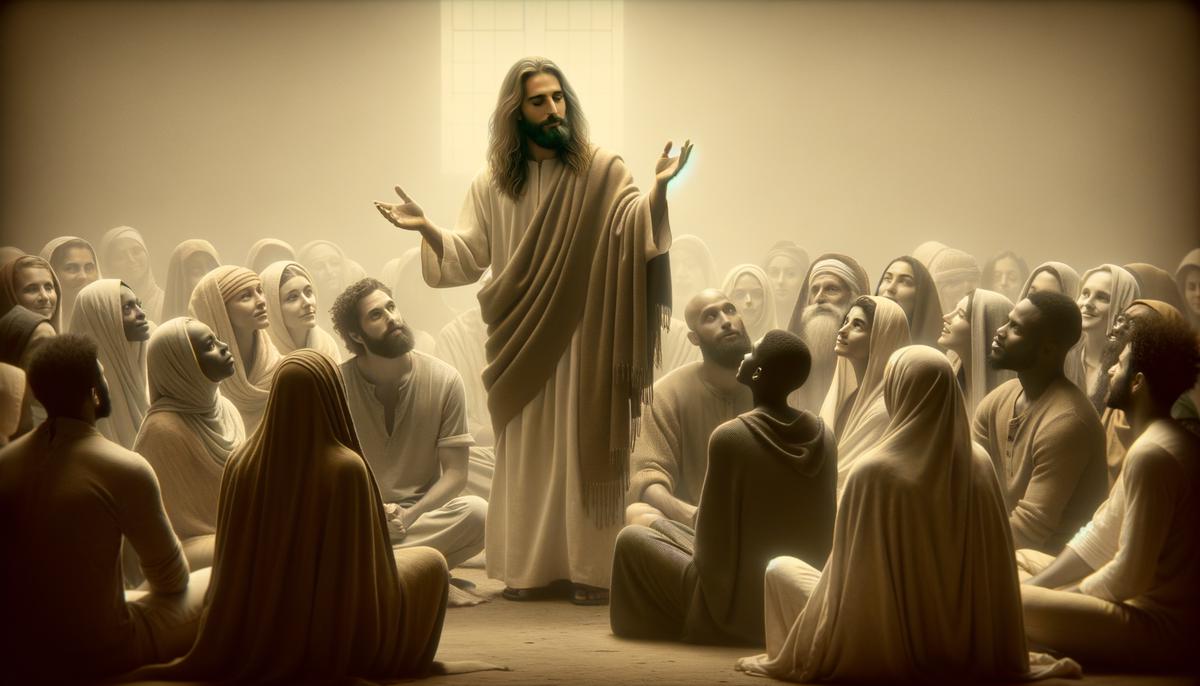
In the New Testament, the life and ministry of Jesus Christ emerge as a fulfillment of Isaiah's prophecy. Jesus embodied the "Wonderful Counselor," imparting divine wisdom through his teachings and parables. His words sparked transformation, offering compassion and guidance to those in need.
As the "Prince of Peace," Jesus inaugurated a reign characterized by humility, love, and service. His peace transcended the absence of conflict, touching hearts, mending broken bonds, and extending to all people. Through his ministry, sacrifice, and resurrection, Jesus realized the prophetic vision of a kingdom grounded in justice and righteousness.
Today, believers continue to live in the tension of the already and not yet, embracing both the historic fulfillment of messianic promises in Christ and anticipating their ultimate realization upon his return.
Advent and the Theme of Light
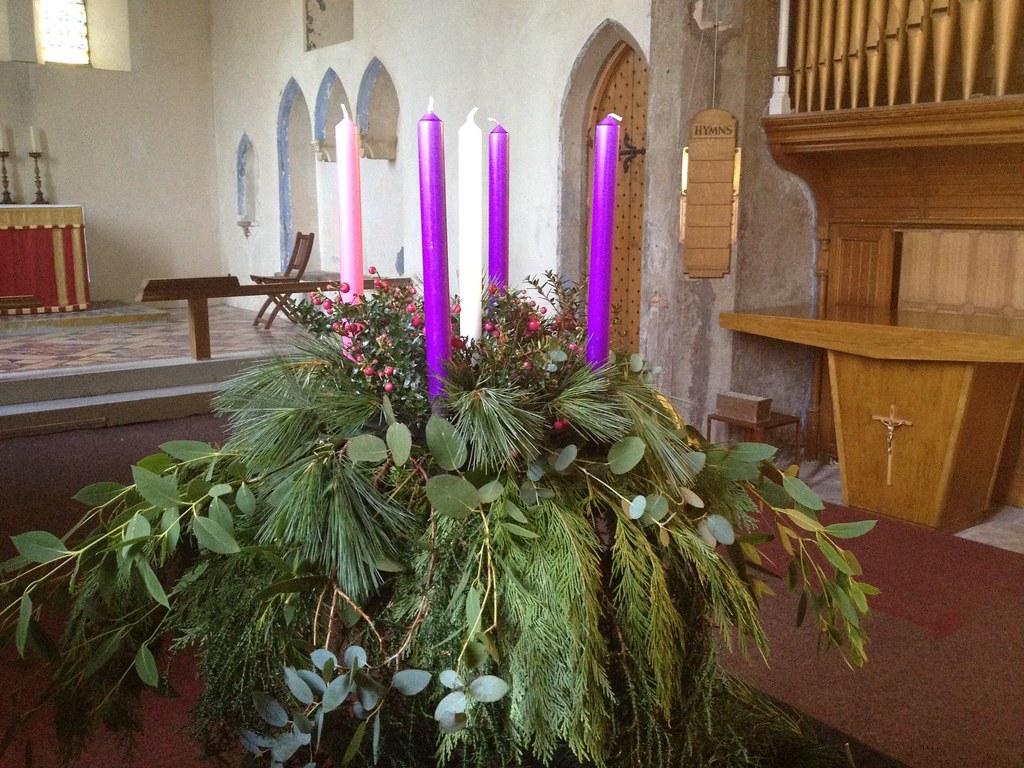
The imagery of light penetrating darkness in Isaiah's prophecy becomes a central theme during Advent. This season of anticipation and reflection celebrates the promise of light heralding the Messiah's arrival. The progressive lighting of candles on the Advent wreath symbolizes the growing presence of divine light in a world shrouded in darkness.
This prophetic light signifies more than the end of physical darkness; it represents the dawn of a new spiritual reality. It is the presence of the Messiah, the Wonderful Counselor, and the Prince of Peace—a divine luminescence promising renewal and profound peace.
"The people walking in darkness have seen a great light; on those living in the land of deep darkness a light has dawned." – Isaiah 9:2
During Advent, believers are encouraged to embody this light in their daily lives, reflecting Christ's glory through acts of love, justice, and mercy. This tradition fosters hope that reaches into the world's darker corners, echoing Isaiah's promise that darkness cannot overcome divine light.
Advent serves as a radiant reminder of God's enduring promise, reaffirming that while darkness is temporary, the light brought forth by Christ is an eternal guide. As we anticipate Christ's ultimate return, the light of Advent illuminates our path toward a future graced by God's invincible hope.
The Eternal Government of Peace
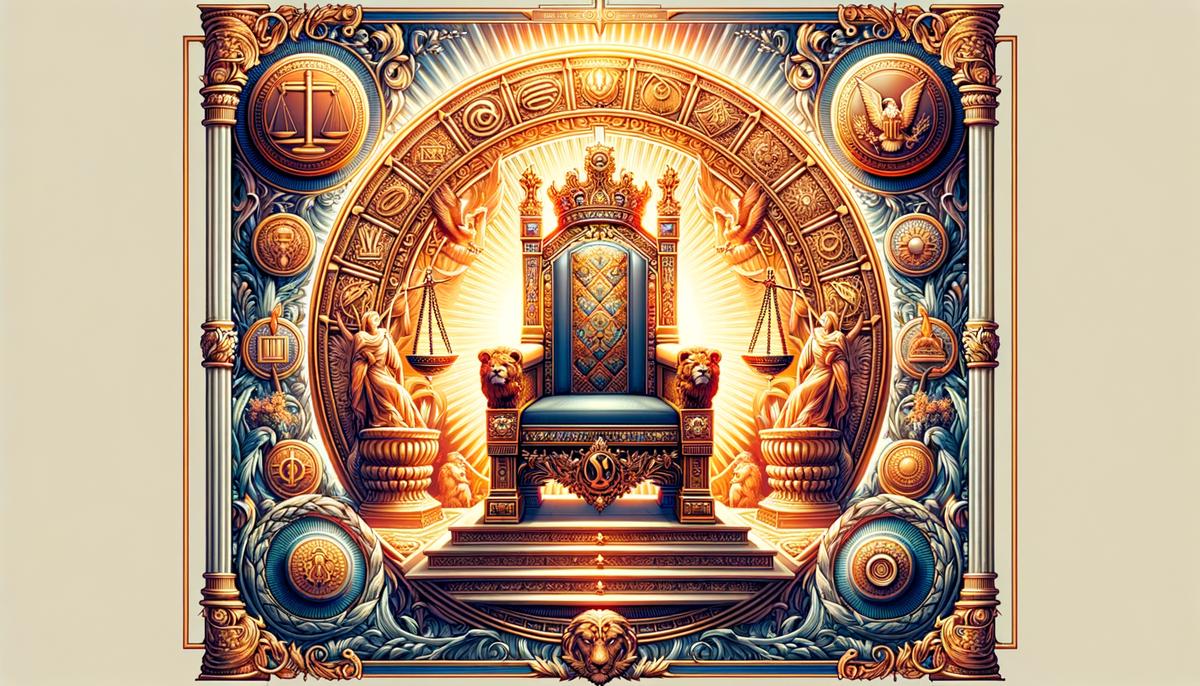
Isaiah 9:6-7 presents a vision of an eternal government of peace, surpassing the limitations of human governance. This prophecy is central to Christian hope, depicting a kingdom sustained by justice and righteousness.
Unlike earthly rulers, the government Isaiah describes is divine and all-encompassing, covering creation with fairness and integrity. The throne is rooted in divine love's ethics, making its foundation unshakeable and eternal.
The titles given to this ruler are profound:
- Wonderful Counselor: Suggesting divine wisdom to govern
- Mighty God: Indicating omnipotence and sovereignty
- Everlasting Father: Emphasizing eternal care and provision
- Prince of Peace: Promising lasting harmony and wholeness
This eternal government shapes Christian eschatology, influencing believers' views on world history's culmination. It serves as both a promise and a model, where justice is a permanent feature of the kingdom.
For Christians, this vision transforms their understanding of life's purpose. It invites believers to be active citizens of this anticipated kingdom, striving to embody its principles in the present. The imagery of this infinite governance promises security and calls for participation, urging followers to reflect love and justice in a world still grappling with challenges.
This promise aligns with Jesus Christ's life and teachings, which exemplified principles that defied common expectations of power—choosing servitude over dominance, humility over grandeur, and peace over conflict. His life manifests the government Isaiah foresaw, sowing seeds of righteousness that grow toward divine governance.
"Of the increase of his government and of peace there will be no end, on the throne of David and over his kingdom, to establish it and to uphold it with justice and with righteousness from this time forth and forevermore." – Isaiah 9:7
The anticipation of God's kingdom of peace offers comfort amid uncertainty, promising not just an end to historical cycles of injustice but establishing perpetual harmony. It connects past, present, and future in a continuum of hope, guiding those facing difficulties toward divine peace.
This vision calls each believer to action. Engaging in justice, upholding righteousness, and living as if the kingdom is unfolding is to embrace the Prince of Peace's reign. This involvement is an active participation in God's design, confidently anticipating the full realization of a government where peace endures eternally.
As we face our own times, let this enduring hope guide us, reminding us that divine peace's light is always within reach, ready to transform our world.