
Nebuchadnezzar's Dream and Its Interpretation
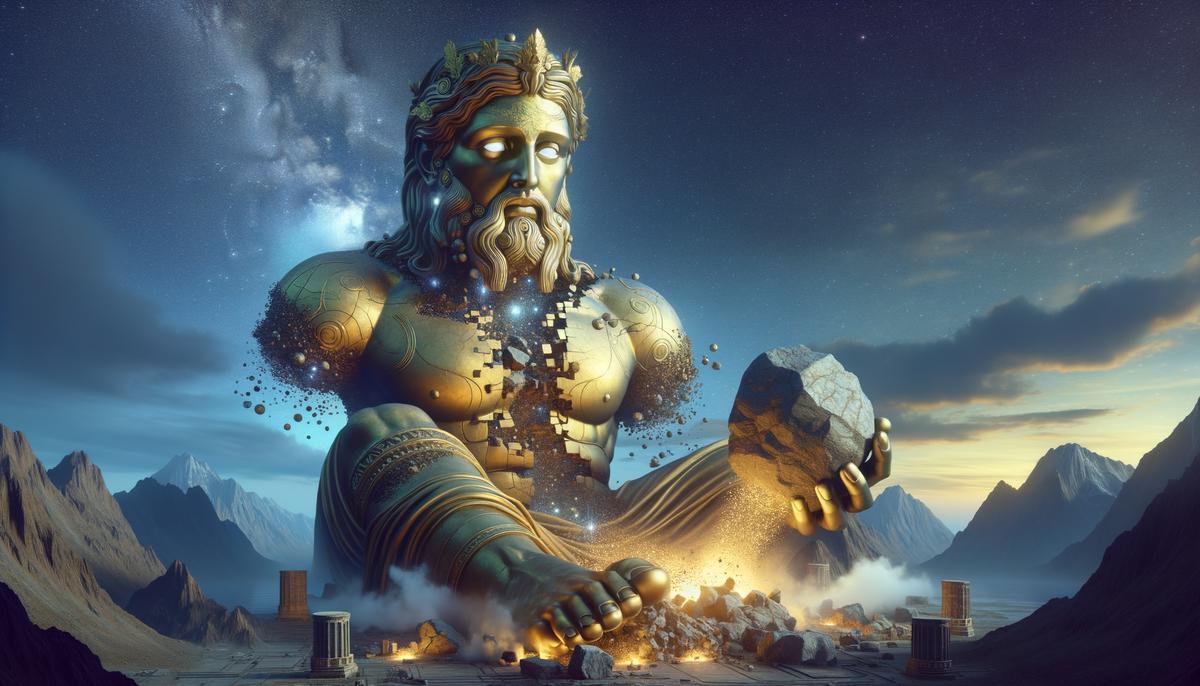
In the book of Daniel, King Nebuchadnezzar has a remarkable dream about a giant statue made of different materials. Each part represents a kingdom:
- Gold for Babylon
- Silver for Medo-Persia
- Bronze for Greece
- Iron for Rome
- Feet of iron mixed with clay
A stone, not made by human hands, strikes the statue's feet, causing it to crumble. This stone grows into a mountain, symbolizing God's eternal kingdom.
Daniel interprets the dream, explaining that each section foretells the rise and fall of empires. Yet amid these earthly dominions, God establishes a kingdom that will never be defeated or destroyed. This divine dominion stands in contrast to the temporary nature of human empires, offering a timeless lesson about the enduring nature of God's rule.

The Kingdom That Will Never Be Destroyed
At the heart of Nebuchadnezzar's dream is the prophecy of God's unshakeable kingdom. Unlike the fleeting empires of earth, this divine realm is characterized by its eternity. It originates not from human effort but from God's timeless counsel, embodying a sovereignty untouched by mortal limits.
This kingdom transcends political borders, dwelling within the hearts of its subjects. It promises justice, peace, and righteousness, untainted by corruption or decay. In the grand scheme of history, it points to a future where heaven meets earth, governed by divine order rather than human innovation.
"Unless one is born again he cannot see [or enter into] the kingdom." – John 3:3, 5
The theological implications are profound. This prophecy challenges believers to look beyond current political landscapes, recognizing the transient nature of all human governments. It offers unwavering hope amid chaos and change, inviting us to align our lives with a reality that truly never fades.

Theological Implications of God's Sovereignty
The dream of Nebuchadnezzar and Daniel's interpretation reveal deep truths about God's sovereignty. This concept goes beyond an abstract notion; it declares that God's reign extends unfalteringly over all creation, governing every domain, seen and unseen.
God's sovereignty is active, engaging, and purposeful. It calls us to recognize His involvement in the crux of history. This understanding fosters a deep sense of peace and assurance, knowing that despite apparent instability in the world, nothing escapes God's sovereign plan.
For believers, this sovereignty illuminates a path of humility and reliance on God. It strips away illusions of self-sufficiency and pride, inviting us to align our lives with the realities of God's eternal kingdom. This perspective infuses life with profound optimism and purpose, anchoring our hope on the certainty of God's unwavering and righteous rule.

Historical Context and Significance
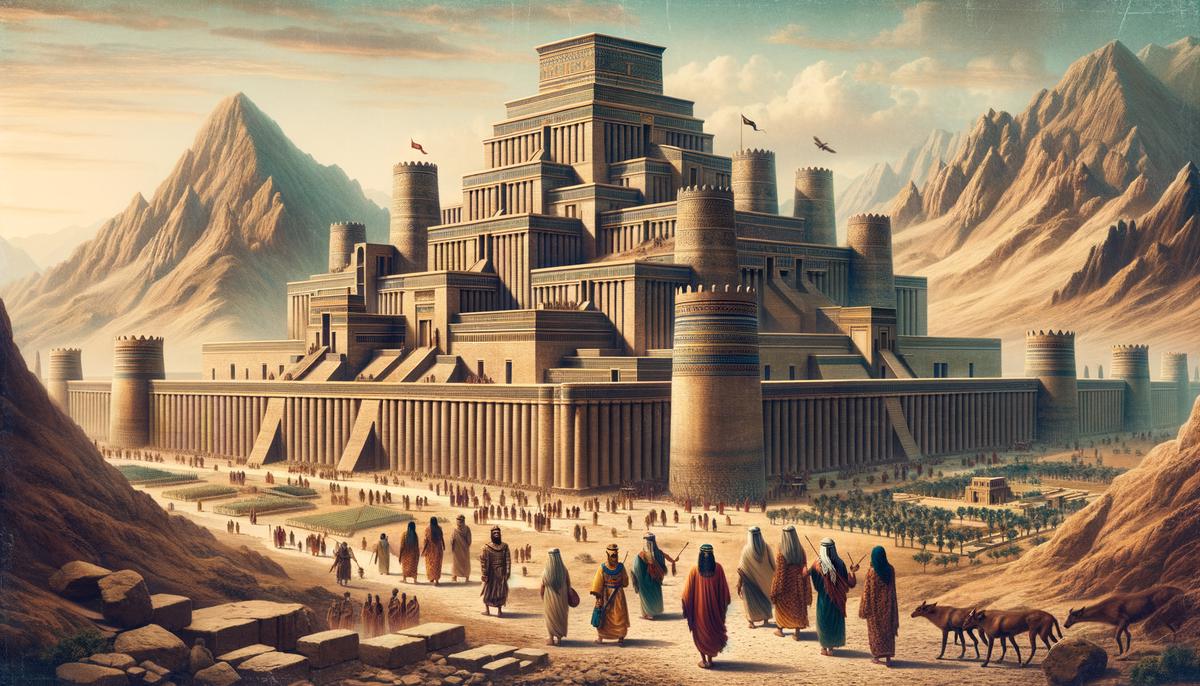
Nebuchadnezzar's era marked the height of the Babylonian Empire's glory. Under his reign, Babylon stood as a beacon of cultural, military, and architectural prowess. The empire dominated the ancient Near East, with ambitious building projects like the Hanging Gardens reflecting its grandeur.
In this context, Nebuchadnezzar's dream carried immense significance. It challenged the prevailing belief in continuous human dominion, declaring the eventual downfall of all earthly empires. For a society accustomed to the certainty of their military might and social order, this revelation served as a profound reminder of the transient nature of power.
"How great are his signs, how mighty his wonders! His kingdom is an everlasting kingdom, and his dominion endures from generation to generation" – Daniel 4:3
The dream's interpretation offered a choice to the people of that time: continue trusting in temporal human kingdoms or shift their focus towards God's eternal realm. This message resonated beyond Babylon's borders, tapping into the universal human quest for ultimate authority and purpose in a world seemingly ruled by might and ambition.
Through the ages, Daniel's account has stood as a testament to a realm not of this world, promising justice, peace, and hope that remains steadfast across the changing tides of history.
In the grand sweep of history, the fleeting nature of human empires is a recurring theme. Nebuchadnezzar's dream, as interpreted by Daniel, offers a profound reminder: while earthly kingdoms rise and fall, there exists a divine sovereignty that remains steadfast. This enduring kingdom, rooted in justice and righteousness, invites us to align our lives with its eternal promise. In a world often swayed by power and ambition, this vision stands as a beacon of hope and assurance, urging us to look beyond the transient and embrace the timeless.
- Goldingay J. Daniel. Word Biblical Commentary. Dallas: Word Books; 1989.
- Collins JJ. Daniel: A Commentary on the Book of Daniel. Minneapolis: Fortress Press; 1993.
- Baldwin J. Daniel: An Introduction and Commentary. Tyndale Old Testament Commentaries. Downers Grove: InterVarsity Press; 1978.