
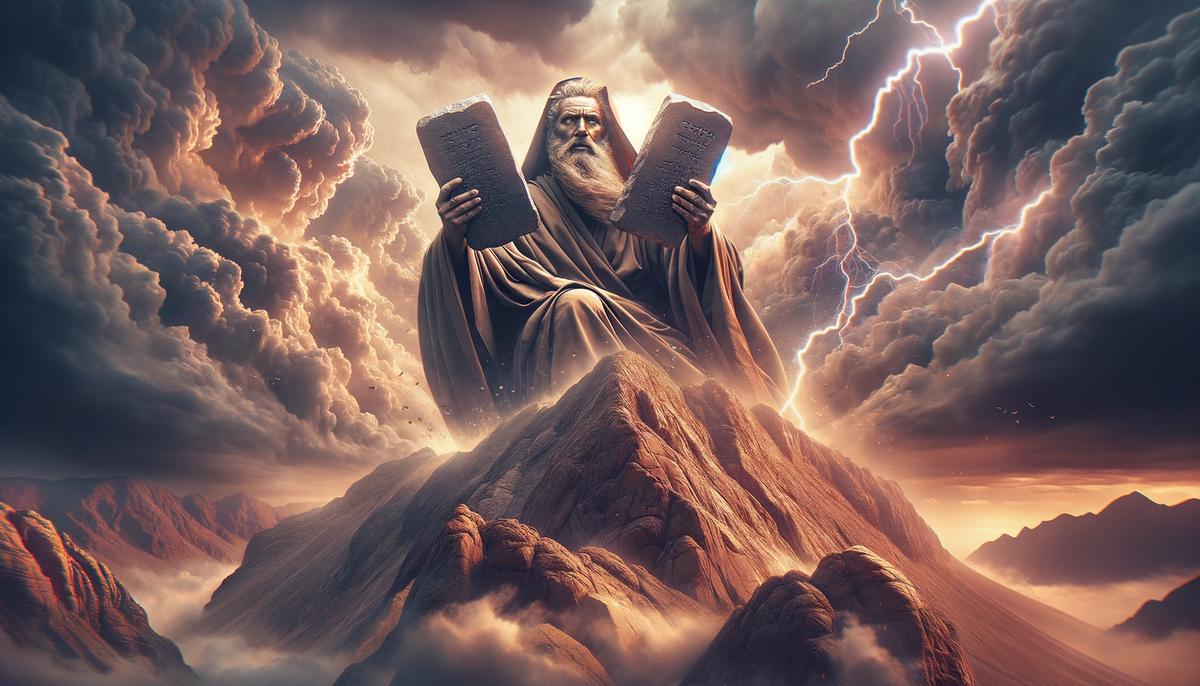
Mosaic Leadership and Prophetic Institution
Moses established a profound legacy as a leader and prophet. His encounters with God, from the burning bush to Mount Sinai, set the standard for what it meant to be a prophet in Israel. The prophetic role was a sacred calling to be a messenger and direct line to God.
Moses, despite his flaws, exemplified that leadership involves perseverance and connection with both God and people. Deuteronomy 18 outlines the expectations for prophets:
- They were to arise from within Israel
- Speak authentically for God
- Maintain integrity
This framework laid the groundwork for future prophets and ultimately pointed toward Jesus Christ, who embodied and elevated Mosaic leadership. Jesus demonstrated both authority and grace, performing miracles reminiscent of Moses while bringing a new covenant.
The prophetic institution established by Moses provided structure for keeping people aligned with God's word. It created a legacy of truth-telling and compassionate guidance that each subsequent prophet built upon, culminating in Jesus as the ultimate fulfillment of Mosaic prophecy.

The Prophetic Promise in Deuteronomy 18
Deuteronomy 18:15 contains a significant prophetic promise that shaped Israel's expectations for centuries. Moses foretold the rise of another prophet from among the people, someone who would continue the divine communication after Moses' passing. This prophecy offered both comfort and challenge to the Israelites.
The promise ensured continuity of God's guidance, even as they faced uncertainty entering the Promised Land. It also set clear criteria – the prophet would emerge from within the community, emphasizing relational and cultural intimacy with the people.
This prophecy embedded deep expectations in Israel's psyche. Leaders were to be more than administrators; they were to be spiritual guides constantly aligning the people with God's path. The anticipated prophet would maintain this divine connection while also acting as a course corrector when needed.
The prophetic promise in Deuteronomy 18 thus established a covenant of hope and continuity. It set the stage for the ultimate fulfillment in Jesus Christ, whose ministry resonated with Moses' words and illuminated their full meaning.
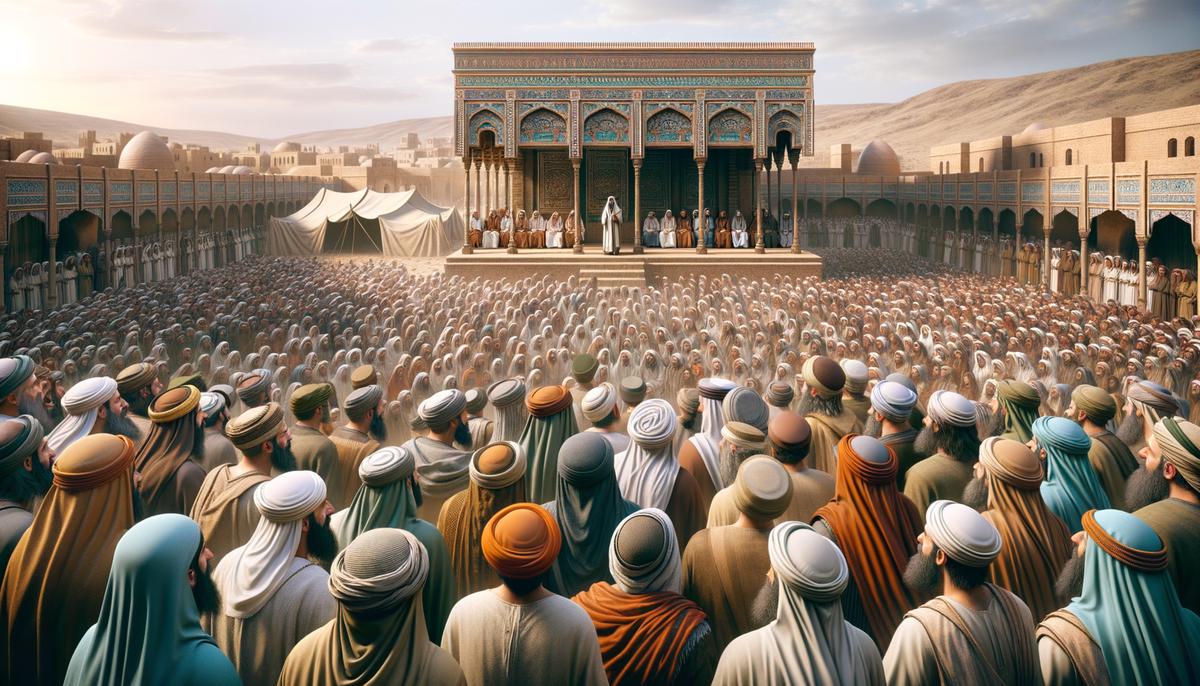
Jesus as the Fulfillment of the Mosaic Prophecy
The New Testament presents Jesus as the definitive embodiment of the Mosaic prophecy from Deuteronomy 18:15. While Moses and Jesus share intriguing parallels as lawgivers and covenant mediators, Jesus transcends and fulfills the prophecy in profound ways.
Where Moses delivered the law on stone tablets, Jesus inscribed the new covenant on hearts. Moses interceded amid smoke and thunder, while Jesus dismantled barriers between the divine and human through his self-sacrifice.
Jesus' miracles echo those of Moses but with deeper spiritual significance – calming chaos and providing eternal sustenance.
Jesus' fulfillment extends beyond traditional prophecy, actualizing divine intention in human form. He redefined righteousness, elevating the law into a relational framework focused on heart transformation and genuine compassion. This fulfillment demonstrates divine constancy, creating a seamless narrative of spiritual guidance from Old to New Testament.
Through Jesus, the Mosaic prophecy transforms from anticipation to living truth. He embodies the divine commitment to humanity, offering not just temporary deliverance but eternal salvation. This realization of prophecy provides assurance to believers across generations, illuminating the path initially trodden by Moses with the eternal light of Christ.
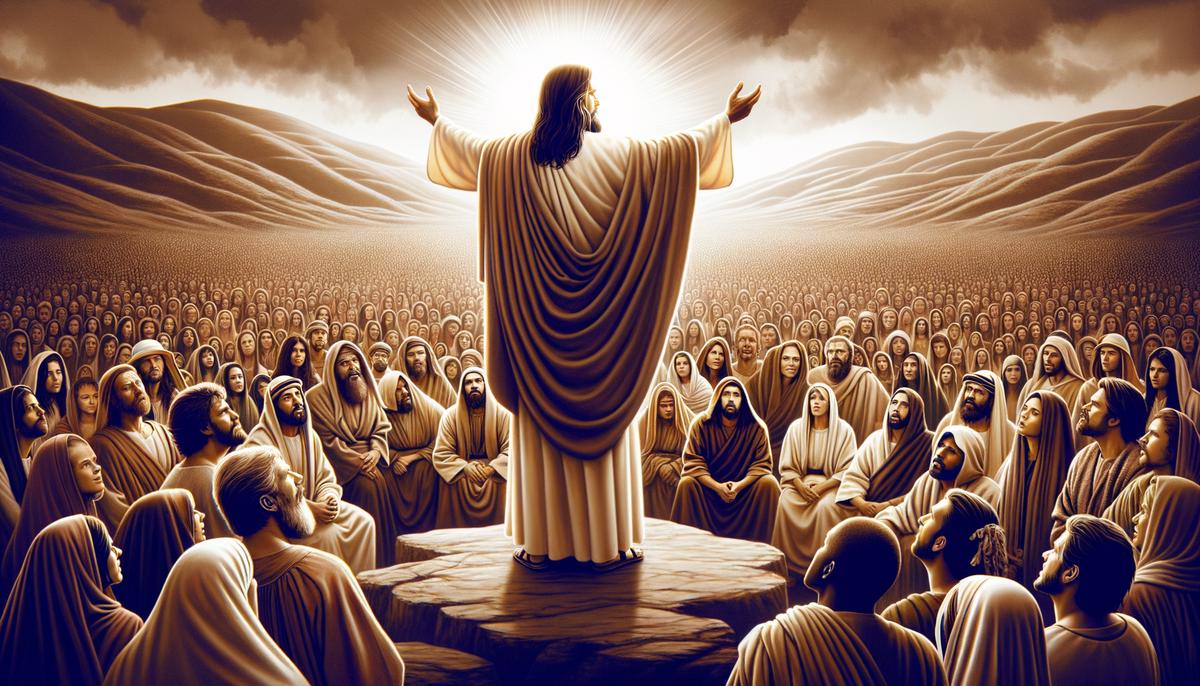
Comparative Analysis of Prophetic Figures
The prophecy of a prophet like Moses in Deuteronomy 18 has sparked various interpretations across faiths and traditions. While diverse, these interpretations ultimately converge on Jesus Christ in the New Testament.
Joshua, Moses' immediate successor, is often cited in Jewish teachings. However, despite leading Israel into the Promised Land, Joshua lacked the distinct prophetic qualities and direct divine interaction that characterized Moses' ministry.
In Islam, Muhammad is proclaimed as the foretold prophet. Muslim scholars view Deuteronomy as affirming Muhammad's mission. However, this interpretation diverges from the scriptural criterion of Israelite descent and lacks the face-to-face communication with God attributed to Moses.
The New Testament presents Jesus Christ as the definitive fulfillment of the Mosaic prophecy. Jesus embodies and extends Moses' prophetic mandate while transcending it through His unparalleled intimacy with God and mission of salvation. His life and ministry exhibit the fullness of Moses' anticipations, expanding upon Mosaic miracles and fulfilling divine mandates.
This comparative analysis reflects humanity's universal yearning for divine guidance and connection. Each interpretation speaks to particular cultural and theological aspirations. However, the New Testament's fulfillment in Jesus consolidates the prophetic promise, illustrating a divine continuity that transforms scriptural anticipation into living truth.

The Role of Prophets in Modern Faith
In modern faith, prophets continue to carry both historical weight and contemporary significance. As our world advances technologically and scientifically, the need for authentic voices echoing divine truths remains crucial. Today's prophets bridge ancient wisdom with the present, helping to ensure divine messages aren't lost in life's complexities.
Contemporary faith communities seek guidance and clarity, much like the Israelites nearing the Jordan. Mosaic leadership principles—unwavering integrity, humility, and devotion to divine will—continue to guide those called to lead these communities. While modern prophets may not perform miracles, their mission to foster justice, compassion, and truth directly follows the prophetic lineage of Moses.
Divine guidance today involves more than interpreting ancient texts; it includes recognizing God's purposes through diverse voices—clergy, lay leaders, or individuals demonstrating profound insight or moral courage. This variety embodies Moses' spirit: leadership grounded in service and sacrifice for community welfare.
Challenges for Modern Prophets:
- Guiding faith communities away from division
- Encouraging inclusive practices
- Embodying Moses' humility
- Separating truth from spectacle
- Refocusing people on faith's essence amid material distractions
Prophetic leadership today addresses spiritual concerns alongside existential, social, and ethical dilemmas. In an era of climate change, social injustice, and identity crises, prophets articulate God's promises and inspire action for healing and reconciliation.
Mosaic leadership, known for its trust in God and relational understanding, now facilitates interfaith dialogues. In our interconnected yet often fragmented world, prophets mediate and reconcile, similar to Moses presenting laws that unified tribes. Their work extends beyond religious dogma, advocating for harmonious coexistence.
The role of prophets in modern faith isn't just about predicting the future but transforming the present through commitment to divine principles. It encourages communities to value every individual—reflecting Moses' care for each Israelite. Prophetic leadership promotes dialogue with both divine and worldly aspects, uniting communities through faith-inspired action.
The legacy of Mosaic prophecy—authentic, humble, and just—provides a framework for modern prophets. They illuminate the path forward, balancing historical wisdom with solutions for contemporary challenges. Today's prophets remind us that divine guidance remains a living force, enriching our personal and collective journeys with meaning and purpose.

In faith and leadership, Moses' legacy offers a timeless framework for understanding divine guidance. His example of authenticity, humility, and justice guides modern prophets as they balance ancient wisdom with current needs, showing that divine guidance continues to enrich our lives with meaning and purpose.