
Biblical Basis of the Rapture
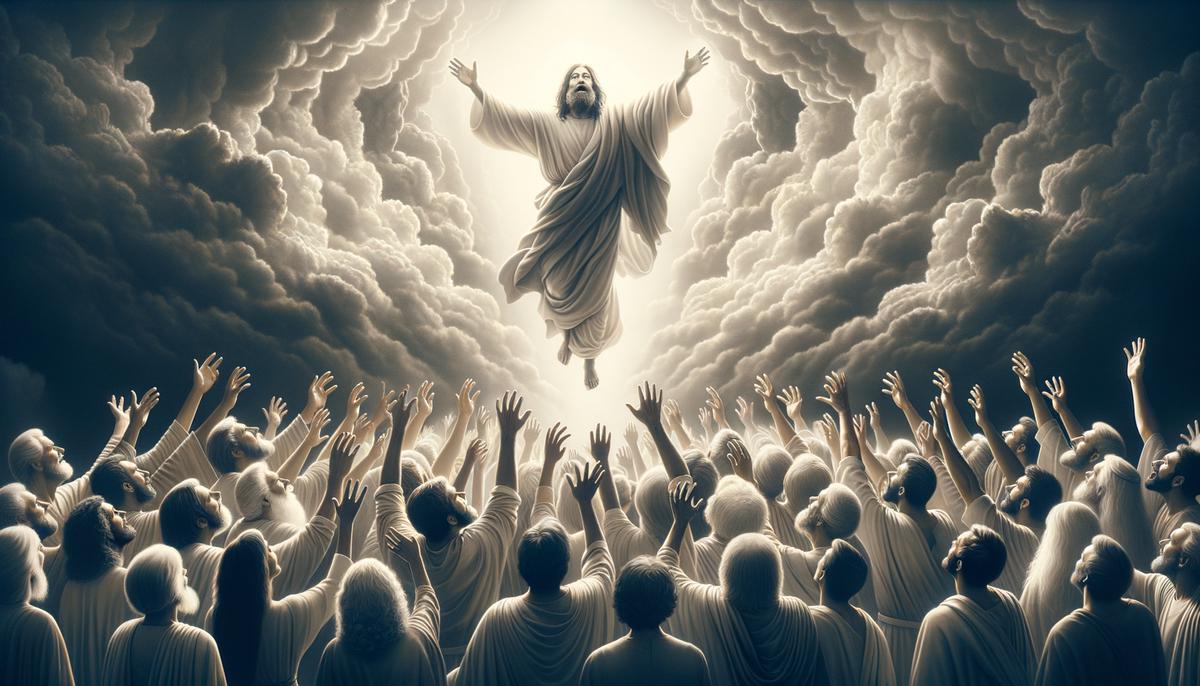
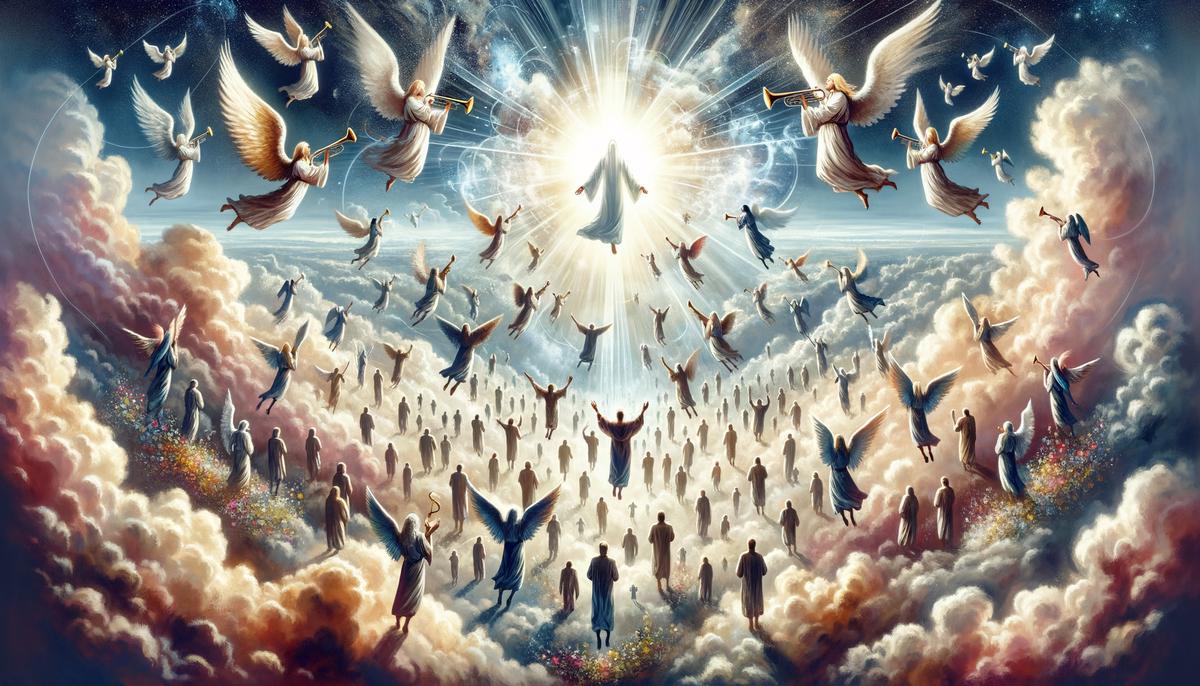
1 Thessalonians 4:16-17 describes what many call the Rapture. The passage portrays the Lord descending with a commanding cry, an archangel's voice, and God's trumpet. The dead in Christ rise first, followed by living believers meeting Christ in the air.
The term "caught up" in this scripture comes from the Greek word harpazō, meaning to snatch or seize. In the Latin Vulgate, it became rapturo, leading to our modern term "rapture."
Paul's message offers comfort to early Christians, reinforcing hope beyond the grave. It positions the Rapture as a fulfillment of God's promise to be ever-present with His believers eternally.
This hope echoes in other scriptures:
- 1 Corinthians 15:51-52 speaks of transformation at "the last trumpet," where the perishable becomes imperishable.
- Jesus' words in John 14:1-6 promise believers a place prepared in heaven.
The event is described as a jubilant, open recognition of those who belong to Christ. It's portrayed as loud and undeniable, emphasizing the culmination of history's greatest hope, where faith meets sight and believers unite forever with their Lord.
Interpretations and Misconceptions
The Rapture has various interpretations within Christian eschatology. The dispensationalist view, originating with John Nelson Darby in the 19th century, proposes a secret Rapture followed by a seven-year tribulation period.
However, many theologians argue against a secret Rapture, noting that scriptural references describe a very public event. The grand announcement in 1 Thessalonians 4:16-17 emphasizes an unmissable occurrence.
Alternative perspectives include a post-tribulation Rapture, where believers endure tribulation before uniting with Christ. This view emphasizes following Christ's example of suffering and sees the Rapture as a climax of redemption rather than an escape.
"There is no secret rapture. The second coming of the Lord will be unmistakable and one of the loudest in the history of mankind. It will be a very audible and public final coming — so loud that it even wakes up the dead from every age in redemptive history!"
Misconceptions often arise from literal interpretations of prophetic books like Revelation. Debates over the Rapture's timing and inclusivity can sometimes overshadow its primary significance as a moment of divine grace.
Ultimately, beliefs about the Rapture should reinforce the Christian conviction that God's promises are steadfast. Encouraging dialogue among various interpretations can enrich faith, offering peace and expectation for the future God has promised.
The Role of the Rapture in Christian Hope
The Rapture represents a cornerstone of Christian hope, offering assurance and comfort to believers. It promises a divine reunion with Christ and loved ones who have passed, affirming that death is merely a transition.
In a world of uncertainty, the Rapture affirms life beyond the present, highlighting the expectation of eternal presence with Christ. This doctrine provides comfort, especially regarding the loss of loved ones, assuring that those who have "fallen asleep" in Christ will be reunited with the living.
This hopeful outlook impacts Christian life in several ways:
- Encouraging perseverance through trials
- Promoting holy living
- Nurturing a deeper relationship with God
The Rapture fosters a community bound by shared hope in a future that transcends earthly limitations. It serves as a reminder of God's grace and love, assuring believers that while earthly life may be challenging, it culminates in a divine reunion.
Ultimately, the Rapture shapes Christian hope, comforts hearts, and ignites longing for the day when faith becomes sight.

Theological Debates and Controversies
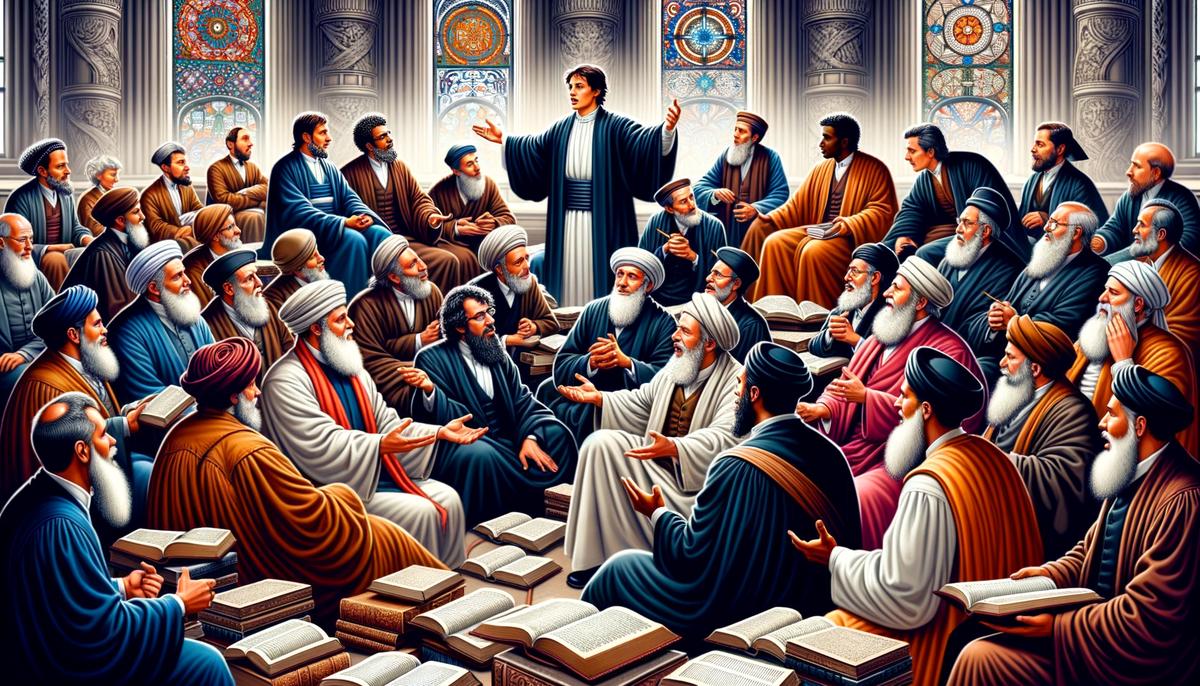
The Rapture sparks theological debates within Christianity, primarily concerning its timing in relation to the tribulation period and the Second Coming of Christ.
| View | Belief | Scriptural Support |
|---|---|---|
| Pre-tribulationists | Rapture before tribulation | Revelation 3:10, 1 Thessalonians 5:9 |
| Mid-tribulationists | Rapture midway through tribulation | Spiritual strengthening before being caught up |
| Post-tribulationists | Rapture after tribulation | Matthew 24, believers called to endure hardship |
These perspectives also consider the relationship between the Rapture and Christ's Second Coming, with some viewing them as distinct events and others as simultaneous.
While these debates highlight differences, they underscore a shared anticipation of Christ's return and the fulfillment of God's promises. They encourage deep scriptural study and reflection, inviting believers to focus on the unchanging truth of a faithful God preparing His people for an eternal destiny.
The Rapture and the End Times
The Rapture plays a crucial role in End Times prophecy, connected with events like the Great Tribulation, Christ's Second Coming, and the establishment of God's Kingdom. It's often seen as a transitional event marking the start of a transformative era in human history.
In dispensationalist theology, the Rapture precedes the Great Tribulation, safeguarding believers from the period of divine judgment. The Great Tribulation is depicted as a time of unprecedented suffering, including the rise of the Antichrist and widespread persecution.
Following the Great Tribulation, Christian eschatology anticipates Christ's Second Coming. This event signifies Christ's return to:
- Restore justice
- Establish order
- Inaugurate the final phases of God's Kingdom on Earth
The Rapture, in this context, highlights the assurance of eventual triumph for believers. It underscores a universal longing for redemption and renewal, calling believers to readiness and firm faith in future reconciliation with God.
This perspective on the Rapture within End Times prophecy presents an interplay of mercy, justice, and ultimate communion with the divine. It encourages believers to interpret present challenges in light of future glory, standing as a testament to God's unwavering promises.
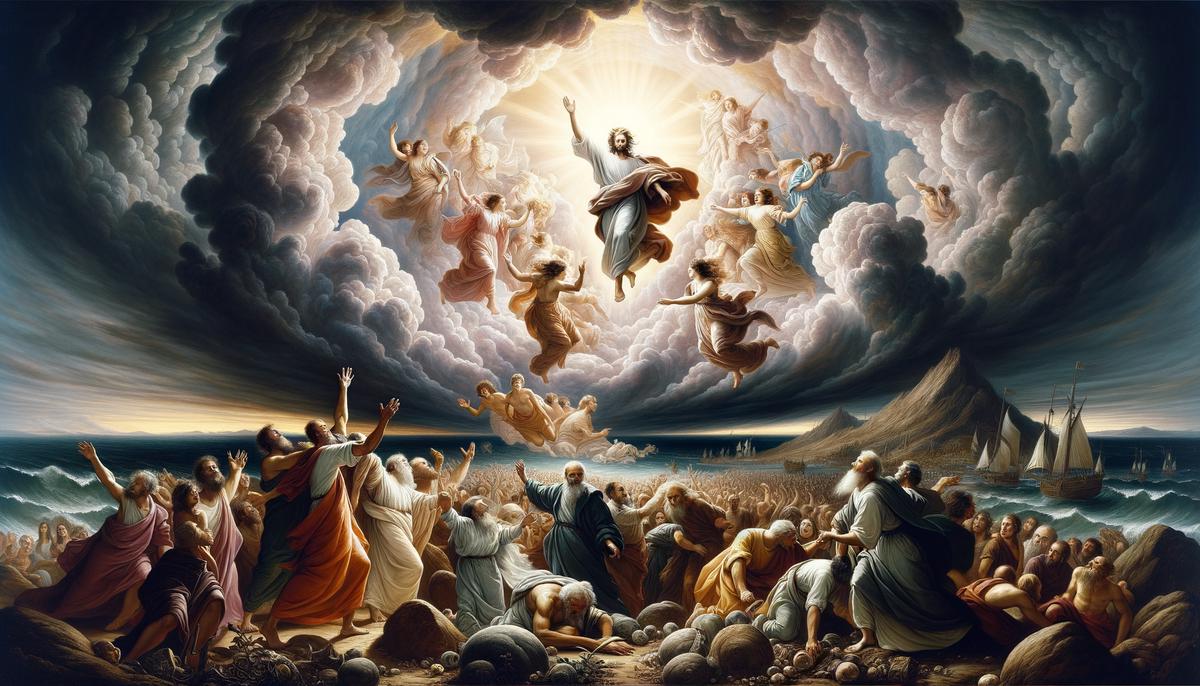
The Rapture remains a cornerstone of Christian belief, offering hope and assurance of a future reunion with Christ. It invites believers to reflect on and anticipate the day when faith transforms into sight, transcending earthly trials for eternal communion.
- Weber T. Living in the Shadow of the Second Coming: American Premillennialism 1875-1925. Oxford University Press; 1979.
- Boyer P. When Time Shall Be No More: Prophecy Belief in Modern American Culture. Harvard University Press; 1998.
- Catechism of the Catholic Church. 2nd ed. Vatican City: Libreria Editrice Vaticana; 1997.