

Context of Zechariah 12:10
Zechariah 12:10 is a significant verse in the Old Testament that depicts a vision of spiritual revelation and remorse. Set within the Book of Zechariah, which contains various prophecies and eschatological themes, this verse portrays a scene where the spirit of grace descends upon Jerusalem, and the people look upon one they have pierced.
The verse is often interpreted in relation to the crucifixion of Jesus Christ, with some viewing it as a direct prophecy of this event. Others see it as a prediction of future repentance in Israel, where there will be a collective acknowledgment of a misunderstood Messiah.
The imagery of mourning in the verse is connected to the death of King Josiah on the plains of Megiddo, an event that was deeply mourned by the people. This historical reference adds depth to the portrayal of grief in the prophecy.
In the context of eschatology, the verse is part of a larger narrative about the fate of Jerusalem and the coming of the Messiah. It speaks to themes of resilience, divine intervention, and the transformation of sorrow into hope.
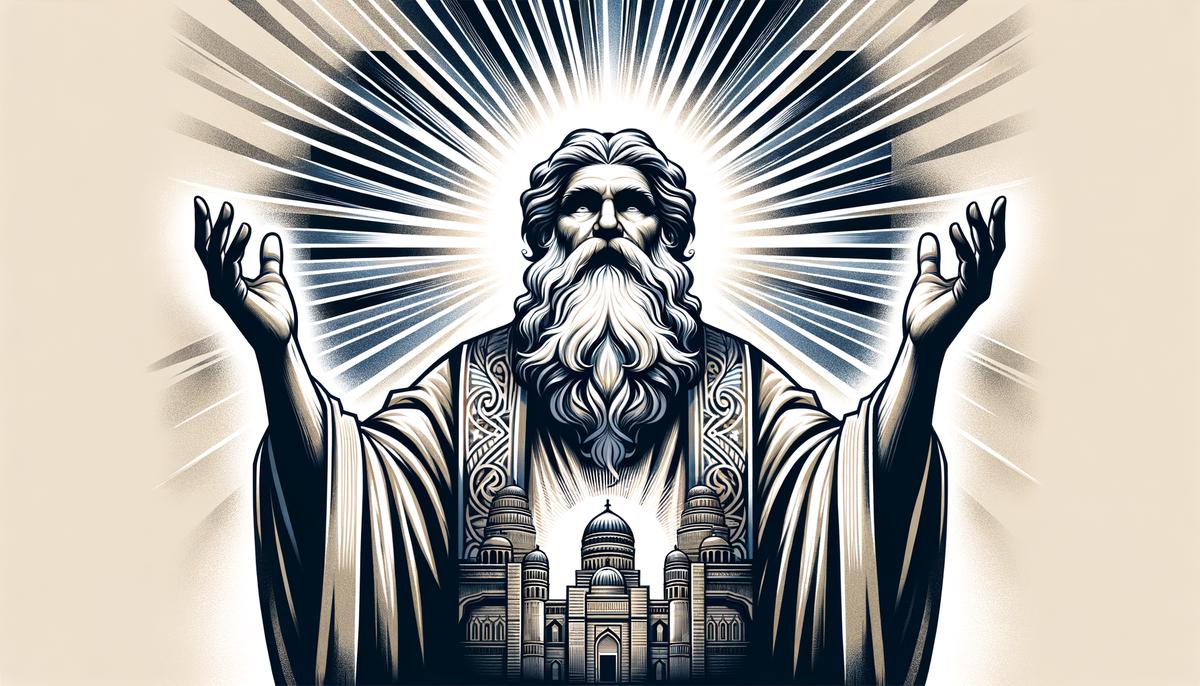
Interpretations of the Pierced One
The "pierced one" in Zechariah 12:10 is interpreted differently in Jewish and Christian traditions:
- Jewish interpretation: Often associated with Messiah ben Joseph, a suffering messiah who embodies redemption through sacrifice. This aligns with traditional teachings found in ancient Jewish texts.
- Christian interpretation: Typically viewed through a Christological lens, seeing it as a direct reference to the crucifixion of Jesus. The New Testament, particularly the Gospel of John, draws parallels between this prophecy and Christ's passion.
These diverse interpretations stem from a shared heritage but yield different understandings. Jewish thought tends to emphasize communal repentance and redemption, while Christian views focus more on individual salvation through Christ's sacrifice.
Both perspectives offer insights into the nature of suffering and hope, inviting deeper exploration of divine plans and the reconciliation of history and faith.
National Mourning and Repentance
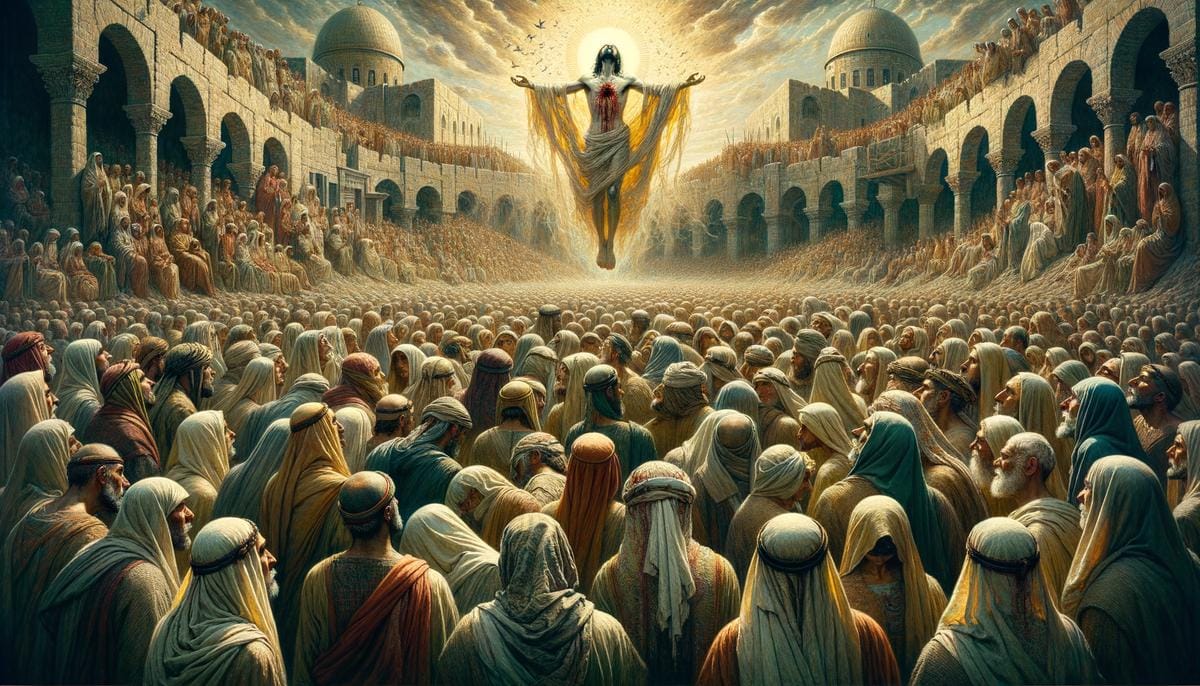
Zechariah 12:10 portrays a powerful scene of national mourning and repentance. The prophecy describes the inhabitants of Jerusalem looking upon "the one they have pierced," leading to a profound moment of collective sorrow and spiritual awakening.
This mourning is depicted as more than mere regret; it symbolizes a turning point for the nation of Israel. The depth of grief is likened to weeping for an only son, illustrating the intensity of this national lament.
"They will mourn for him as one mourns for his only son and shall be in bitterness for him, as one that is in bitterness for his firstborn."
The prophecy links this emotional response to the revelation of the Messiah's true identity. This realization ignites a paradoxical mix of pain over past rejection and hope for future reconciliation.
In fulfilling this prophecy, national repentance becomes a journey through grief towards salvation. It serves as a reminder of humanity's cycle of error and redemption, ultimately aiming for reunion between creation and Creator.
This vision of national mourning transcends its ancient context, offering a timeless narrative of healing and restoration that continues to resonate with readers today.
Messianic Implications
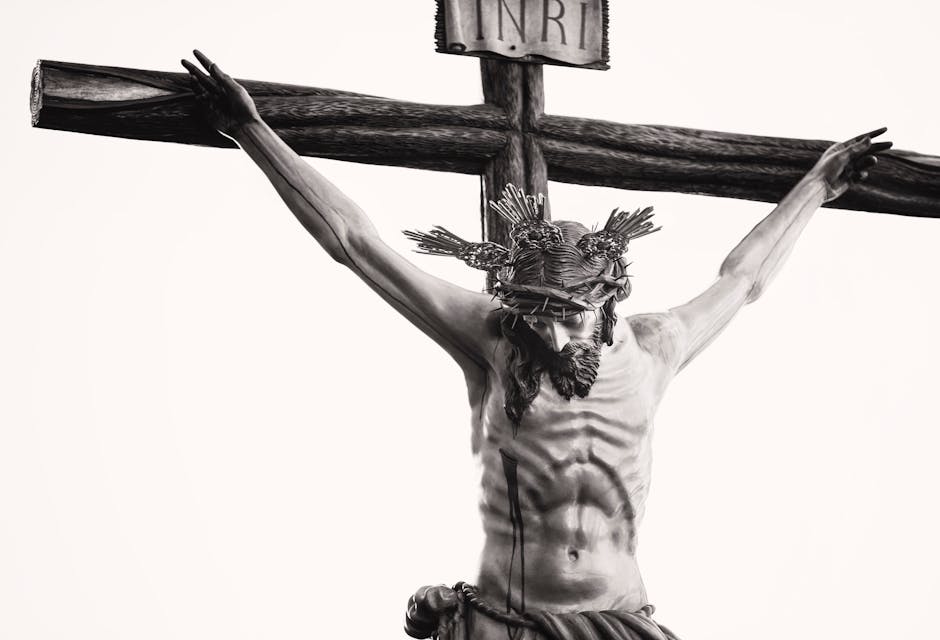
Zechariah 12:10 carries significant messianic implications, bridging Old Testament prophecy with New Testament revelation. In Christian tradition, this verse is often seen as foreshadowing Jesus' crucifixion, particularly the piercing of his side by Roman soldiers. This interpretation views Jesus not just as a historical figure but as the fulfillment of God's promise, offering redemption through his sacrifice.
Jewish perspectives on this prophecy often differ, viewing it through the lens of messianic expectation, particularly the concept of Messiah ben Joseph, a suffering messiah figure. Some Jewish interpretations see this prophecy as foretelling a future period of national reflection and turning to God, rather than an individual event.
These varying interpretations highlight the rich messianic themes within the prophecy. Both traditions engage with the deeper mysteries of faith and prophecy, exploring the enduring quest for understanding and the reconciliation of different interpretations into a cohesive vision of spiritual hope.
Future Fulfillment and Eschatology
Zechariah 12:10 plays a significant role in eschatological interpretations, offering insights into end times prophecies and the anticipated return of the Messiah. Different theological perspectives provide varying views on how this prophecy might be fulfilled in the future.
In Christian eschatology, this verse is often tied to the second coming of Christ and the events surrounding the end times. It is seen as part of a divine plan leading to final judgment and restoration. The recognition of "the one they have pierced" is viewed as an eschatological awakening that will usher in a new era of peace and divine rule.
Jewish interpretations often focus on broader communal and messianic expectations. From this perspective, the national repentance foretold in Zechariah speaks to a future spiritual awakening and renewal, not necessarily linked to a specific individual but to a collective realignment with divine will.
Across both traditions, Zechariah 12:10 embodies an enduring symbolism of fulfillment yet to be unveiled. It encourages believers to engage with eschatological anticipation that transcends immediate understanding, looking forward to a future imbued with divine possibilities.

As we reflect on Zechariah 12:10, we are reminded of the enduring quest for understanding and reconciliation. This prophetic verse invites us to consider the intersection of history, faith, and future hope, offering a promise of redemption and grace even amidst uncertainty.
- Alshich M. Marot HaTsobeot [Collected Visions].